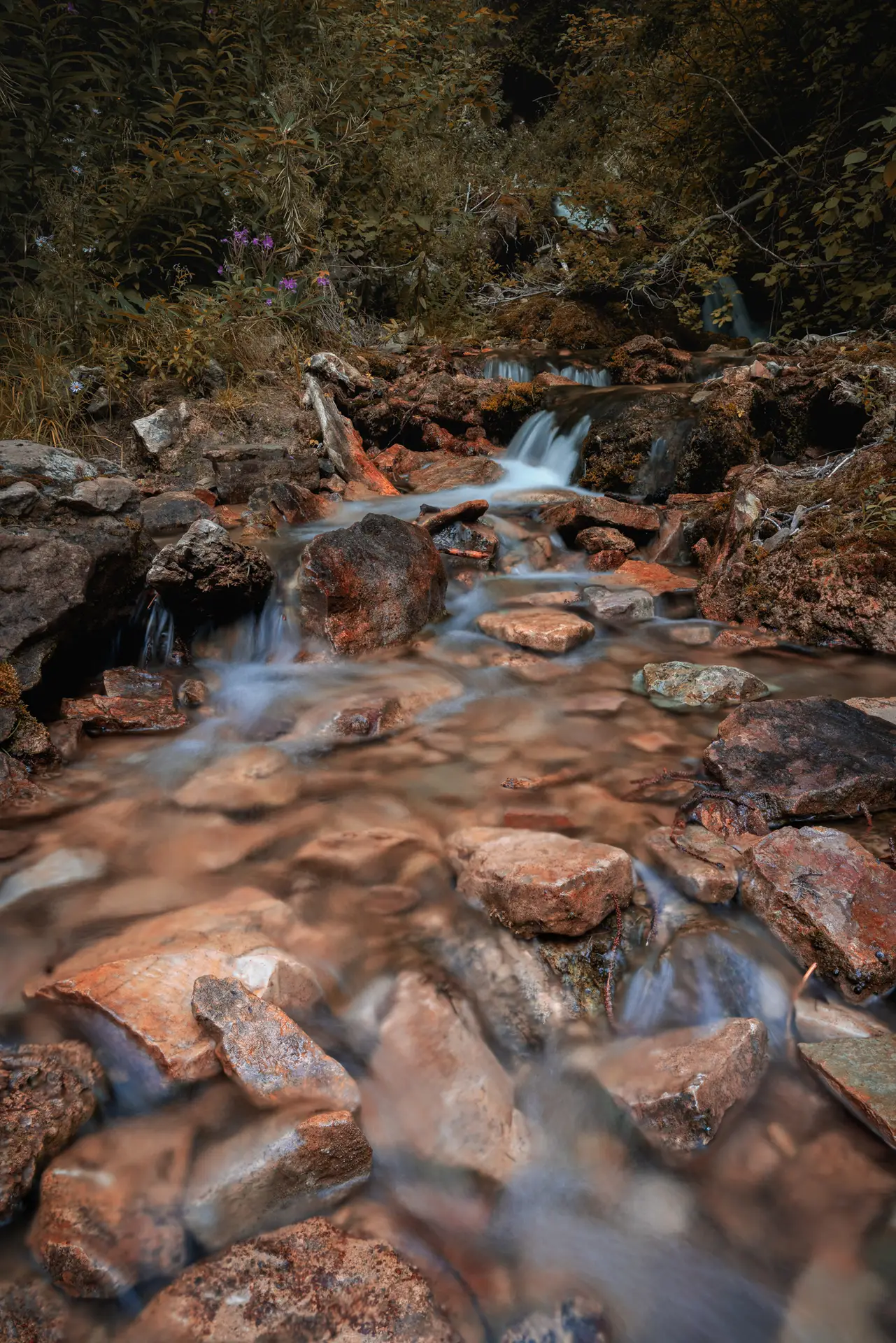
Photographing the Hanging Lake Upper Stream offers a secondary target right along the main trail. While most visitors rush past to reach the upper basin, this lower-canyon stream section provides controlled, shaded water exposures on your descent.

Photographing the Hanging Lake Upper Stream offers a secondary target right along the main trail. While most visitors rush past to reach the upper basin, this lower-canyon stream section provides controlled, shaded water exposures on your descent.
This Content Requires a Membership
This Content Requires a Membership
This Content Requires a Membership
This Content Requires a Membership
This Content Requires a Membership
This Content Requires a Membership
This Content Requires a Membership
This Content Requires a Membership
Hiking up to photograph Hanging Lake requires pushing up the canyon early to capture optimal light at the main basin. Because Deadhorse Creek sits deep inside a steep limestone canyon, high midday light is blocked by the canyon walls. This structural shade allows you to shoot secondary water features along the trail after finishing at the top.
On the hike down, look for slow-moving cascades cutting over red rock and mossy beds. The high canyon walls keep direct sunlight off the water longer than open landscape streams, creating consistent, soft lighting ideal for long exposures.

This Content Requires a Membership
This Content Requires a Membership
This Content Requires a Membership
This Content Requires a Membership
This Content Requires a Membership
Notifications
